The cheapest sewer backup is the one that never happens. Scheduled jetting, root management and camera checks keep New Jersey sewer lines flowing — for homes with known risk factors and businesses that can't afford downtime. Call 973-355-0890.
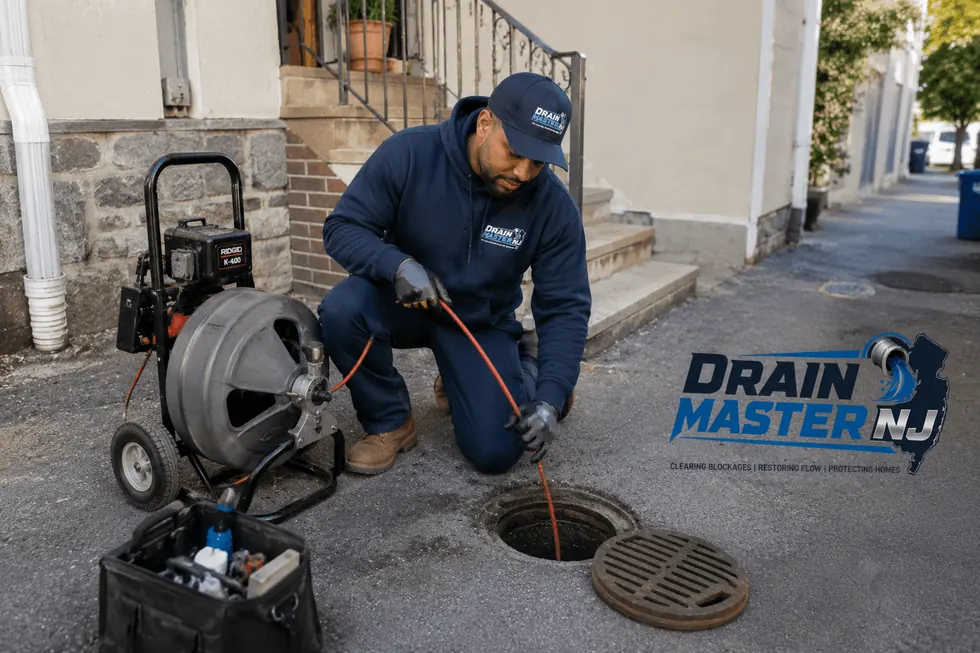
Nobody maintains what they can't see — which is why the average sewer lateral gets attention exactly once: the night it backs up. But sewer failure is rarely sudden. Roots thicken over seasons. Grease accumulates by the month. Scale narrows cast iron by the year. Every one of those is interruptible on a schedule, at planned prices, on convenient days — versus the emergency version at 2 a.m. with sewage in the basement. Maintenance is the same work, minus the disaster. That's the entire pitch, and for at-risk lines the math isn't close.
Honest scoping: not everyone. A newer PVC lateral with no history needs a periodic camera check at most. Maintenance plans earn their keep for: root-prone lines — clay or cast iron near mature trees, where regrowth is guaranteed (see root removal); homes with a backup history or known bellies awaiting repair; older-stock homes across Essex, Hudson, Bergen, Union and Passaic counties with original laterals; multifamily buildings, where one line serves many kitchens; and any commercial food service, where grease makes maintenance a matter of when, not if.
Cut roots regrow — anyone who says otherwise is selling something. Real root management means learning your line's regrowth rate from camera evidence and cutting just ahead of it: for most root-prone NJ laterals that's annually, for aggressive silver maples and willows sometimes twice a year. Between mechanical cuttings, foaming herbicidal treatments (applied responsibly, where conditions warrant) suppress regrowth at the joints. Managed this way, a rooty clay line can run reliably for many more years — buying time on your schedule until lining or replacement makes sense on your budget.
For restaurants, laundromats, schools, care facilities and property portfolios, sewer downtime is measured in lost revenue and emergency premiums. We build maintenance contracts around your operation: off-hours jetting that never touches service hours, grease-line intervals that keep you ahead of code (paired with grease line cleaning), documented service records for inspectors and insurers, and multi-property scheduling under one agreement with one invoice. Municipal-adjacent work — shared laterals, easement lines, small collection runs — quoted on request.
A maintained sewer comes with something an unmaintained one never has: a paper trail. Dated camera footage and service records defuse home-inspection drama at resale, support insurance claims when weather does what weather does, and let you plan capital repairs years out instead of reacting to failures. For landlords, they're also documentation that due care was taken — worth real money the day a tenant dispute or claim appears.
Plans are built per property, not from a laminated menu: line material, root exposure, usage and history set the visit cadence, and pricing is flat per year with no auto-escalators. One conversation and a camera survey is enough to design yours — anywhere in New Jersey's 21 counties. Call 973-355-0890 and ask for a maintenance assessment.
A residential maintenance plan — annual jetting, root management as needed, a camera check and reporting — costs roughly what a single emergency main-line call costs, and considerably less than one sewage cleanup deductible. Commercial plans scale by line count and cadence but obey the same arithmetic: planned service at contract rates versus emergencies at emergency stakes, with revenue interruption riding on top. We price plans flat per year after a camera assessment, without auto-renewing escalators, and structure commercial agreements so the accounting side is as clean as the pipes. The honest caveat repeats: healthy new laterals don't need a plan, and we'll say so rather than sell one.
Good sewer maintenance is a relationship with your specific line: we learn its regrowth rate, its trouble joints, its seasonal behavior, and we adjust the plan as the evidence accumulates — stretching intervals when the line runs cleaner than expected, tightening them when a defect starts developing. Plan customers get the same technicians who know their system, footage archived visit over visit so change is visible, and straight talk when the data says a repair is coming so it can be budgeted instead of suffered. Across New Jersey's homes, restaurants and multifamily buildings, that continuity is what customers renew for.
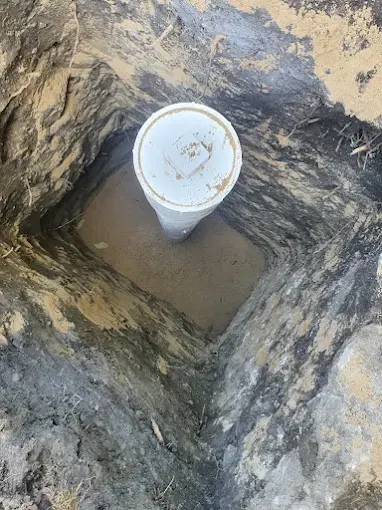
Every plan starts with one diagnostic visit that earns its cost regardless of what you decide. We camera the full lateral and record it, locate and note every defect, root intrusion and buildup zone with depth and position, grade the line's overall condition in plain language, and — only then — recommend a cadence, or recommend none. Lines that need nothing are told they need nothing; that honesty is the foundation the plans stand on. If a plan makes sense, the assessment footage becomes your baseline: every future visit's video compares against it, so change is measured rather than guessed. One visit, complete knowledge of the pipe you own, and a straight answer about what it needs. However you proceed, you'll never wonder about your sewer again — which, for most owners, is the real product.
Maintenance plans run wherever New Jersey's sewers do — all 21 counties, residential and commercial. The heaviest plan demand tracks the oldest lines: Essex, Hudson, Union, Bergen and Passaic laterals with decades of root history, and the multifamily stacks of Newark, Jersey City, Paterson and Elizabeth. Central Jersey plans across Middlesex, Monmouth, Somerset and Mercer lean toward root management on mature suburban lots, while commercial food-service contracts concentrate everywhere restaurants do — which in New Jersey is everywhere. Shore and South Jersey coverage — Ocean, Atlantic, Cape May, Camden, Burlington, Gloucester — completes the map. One statewide team, on schedule, every region. Popular service areas:
Root-prone or older lines: jetting and inspection annually, sometimes semi-annually. Newer PVC laterals: a camera check every few years is usually enough — and we'll tell you which category you're in.
For lines with known risk — roots, age, backup history, or commercial grease — clearly yes: one prevented backup typically outweighs years of plan costs. For healthy new lines, we'll honestly tell you to skip it.
Not permanently — but managed indefinitely: mechanical cutting timed to your regrowth rate plus foaming treatment keeps rooty lines reliable for years, on your schedule instead of the roots'.
Scheduled jetting and/or root cutting, a camera pass with recorded footage, and a plain-language condition report — plus priority emergency response between visits.
Yes — off-hours service, code-aligned grease line intervals, documented records for inspectors, and multi-property agreements under a single invoice.
It prevents the preventable ones — grease dams, root blockages, buildup — which are the large majority. And camera checks catch the structural issues early, when repair is planned instead of urgent.
Flat-rate pricing • 30–90 minute response • Pay only when your clog's gone
Pay only when your clog's gone. 30–90 minute response anywhere in New Jersey.
Thanks! Our team will update you within the hour. For emergencies call 973-355-0890 now.