Old cast iron doesn't have to be replaced — mechanical descaling strips decades of rust scale from inside the pipe, restoring full flow and preparing lines for decades more service or a structural liner. Call 973-355-0890.
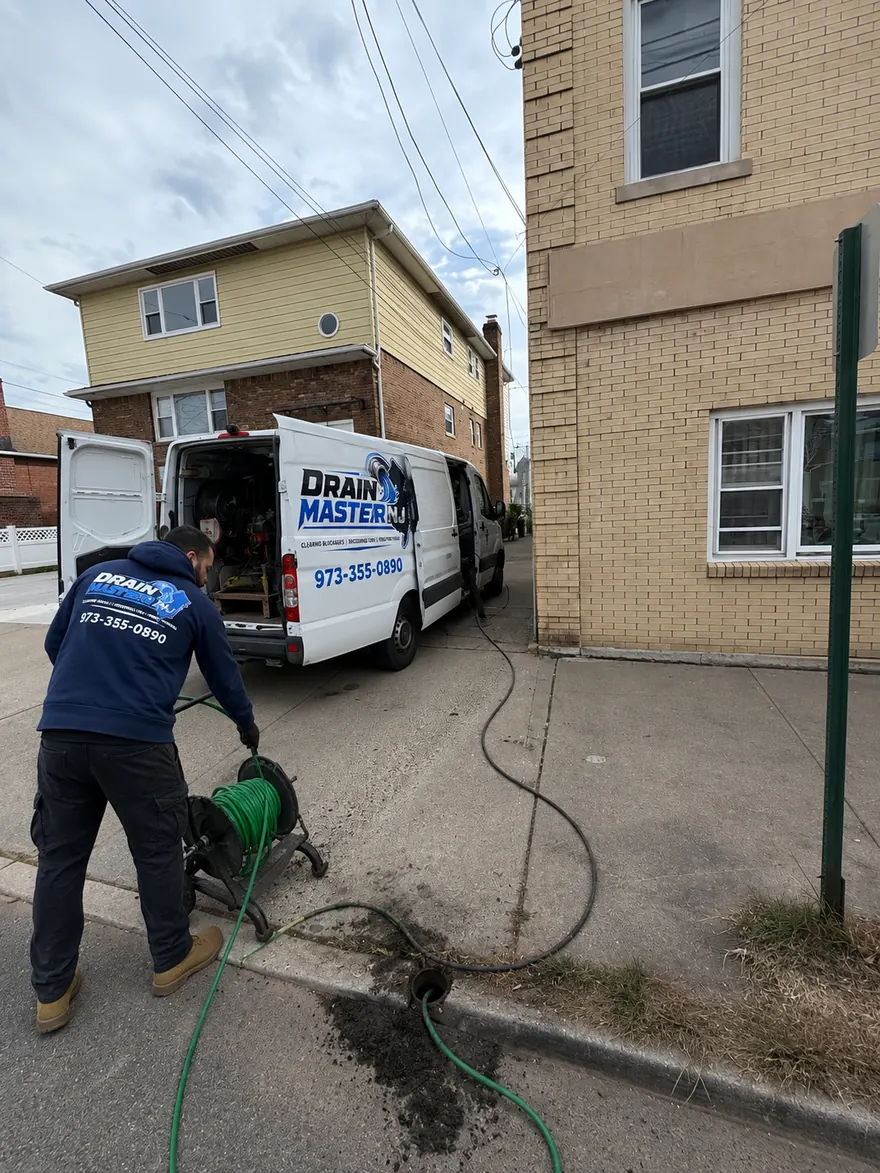
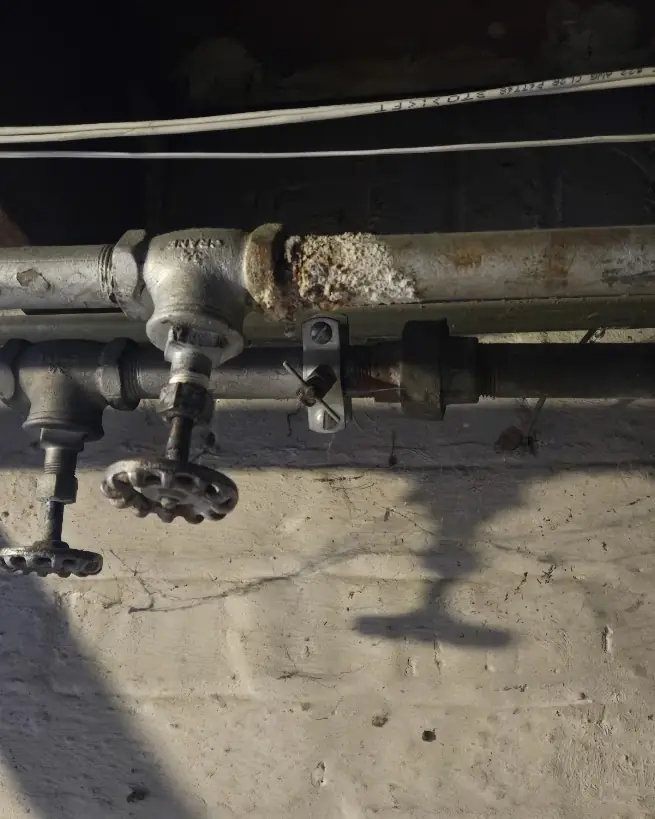
Cast iron corrodes from the inside. Over decades, rust builds into hard, barnacle-like ridges called tuberculation that narrow a 4-inch pipe to 2 inches or less and snag everything that passes — paper, waste, grease. If your pre-1980 New Jersey home suffers clogs that keep coming back no matter how often the line is snaked, scale is almost certainly why: a cable pokes a hole through the blockage but leaves the reef of rust that caused it. Descaling removes the reef.
We use chain-knocker and cable-mounted milling tools — rotating heads sized to your pipe that physically break scale off the walls — combined with high-pressure jetting to flush the debris out of the line. The camera runs before, during and after: before to map scale severity and confirm the pipe has enough sound wall to descale safely, after to show you bare, open cast iron where the ridges were. The difference on video is dramatic — most customers can't believe it's the same pipe.
Three tools, three jobs. Snaking clears a blockage — right answer for a one-off clog. Jetting washes soft buildup (grease, sludge, sediment) off pipe walls — right answer for dirty but smooth pipe. Descaling mechanically removes hard mineral and rust formations that jetting alone can't shift — the right answer, and the only real answer, for tuberculated cast iron. Companies that only own a snake will keep selling you snakings; we carry all three and prescribe by what the camera shows.
Full replacement of in-slab or in-wall cast iron is demolition-grade work. Descaling is the alternative nobody tells homeowners about: if the pipe wall is still structurally sound beneath the scale — and it usually is — descaling restores near-original diameter for a fraction of replacement cost, no floors opened, no walls touched. Realistic expectations matter: descaling doesn't fix cracks or channeled inverts. When we find those, the honest path is descale + liner, or targeted repair — and we'll show you exactly why on the footage.
Every quality pipe-lining job over cast iron begins with descaling — liners bond to clean pipe wall, not to rust. If you're getting lining quotes, ask each bidder how they prepare cast iron; "we jet it" is an incomplete answer for tuberculated pipe. When we line, descaling and camera-verified prep are built into the job, which is a big part of why our liners don't wrinkle, snag or fail.
Prime candidates: pre-1980 homes in older boroughs of Essex, Hudson, Bergen, Passaic and Union counties; multifamily buildings with original stacks; slab homes where replacement means jackhammers; and any building whose camera inspection shows heavy tuberculation. It's also one of the smartest pre-sale investments an owner of an older home can make — a descaled, camera-documented line turns a home inspector's biggest plumbing objection into a selling point.
Most residential descaling jobs run several hours to a full day depending on footage and severity. We work from cleanouts and fixture openings, protect finished areas, flush debris continuously, and finish with a recorded camera pass you keep. Flat pricing is set after the initial camera survey — you'll know the exact cost, and the exact condition of your pipe, before we start.
Descaling is priced by footage, scale severity and access points — and it's best understood against its alternatives. Versus replacement of embedded cast iron: descaling typically costs a small fraction, with zero demolition. Versus repeated snaking: a line snaked three times a year at emergency prices costs more over two years than one thorough descaling that ends the cycle. Versus lining: descaling is also step one of lining, so nothing spent on it is wasted if you choose to line later. We quote flat after the initial camera survey, and the before/after footage documents exactly what you bought — visible ridges gone, full diameter restored.
Descaling rewards experience more than almost any drain service: too timid and the scale stays; too aggressive in thin-walled pipe and you've created a repair. Our technicians descale New Jersey cast iron weekly — pre-war Essex two-families, Hudson brownstone stacks, mid-century Bergen colonials — and that repetition builds the judgment the work demands: reading wall condition on camera, choosing chain size and speed accordingly, knowing when a line wants two gentle passes instead of one hard one, and recognizing the pipe that should be lined rather than descaled further. Old pipe deserves a steady hand; that's what shows up.
Here's the visit itself. We start with the camera: mapping scale severity, confirming wall soundness, and showing you the ridges we're about to remove. Work areas and fixtures get protected, and we access the line through cleanouts and existing openings — descaling rarely requires opening anything. The chain or milling tool works the line in controlled passes, sized to your pipe and matched to its condition, while jetting flushes freed scale downstream and out. Then the second camera pass, the one customers remember: bare cast iron, full diameter, the same pipe transformed. You keep both recordings. Most residential jobs finish in half a day to a day; the line is usable immediately; and the recurring-clog cycle that prompted the call is simply over.
Two more questions come up on nearly every job, so here are the answers upfront. "Will it be loud and messy?" Moderately loud at the access point while the tool runs, and controlled throughout — debris is flushed down the line and out, work areas are protected, and your home is left as found. "Could the chain damage my pipe?" Not in trained hands with a camera watching: tool size and speed are matched to the pipe's assessed wall condition, and we inspect as we work. The pipes at risk are the ones descaled blind by general-purpose crews — which is precisely why the camera runs before, during and after every job we do.
Cast iron descaling is in heaviest demand exactly where New Jersey's housing is oldest — and we cover all of it. Essex, Hudson, Union and Passaic counties, with their vast pre-war and mid-century stock, are descaling's heartland: Newark, Jersey City, Elizabeth and Paterson multifamilies, Montclair and Bloomfield colonials, all running original iron. Bergen and Morris add thousands of 1950s–60s homes now at peak tuberculation age. Central Jersey's older boroughs through Middlesex and Mercer, and South Jersey's established neighborhoods in Camden and Gloucester counties, round out the map. Wherever your old iron is, we descale it on-site, statewide. Popular service areas:
Yes, when the pipe is assessed first. We camera the line to confirm sound wall thickness and match tool aggressiveness to the pipe's condition — and if the iron is too far gone, we'll tell you and show you.
Far less than replacing embedded pipe. Price follows footage, severity and access, quoted flat after the camera survey — with the video included either way.
Descaling removes decades of accumulation, so lines typically run clear for many years. Adding a structural liner afterward stops future corrosion entirely, effectively making it permanent.
Jetting flushes soft buildup, but hard tuberculation needs mechanical removal — chains and milling heads. We usually combine both: descale to break it, jet to flush it.
No — it's mechanical and controlled, unlike caustic chemicals that attack the pipe along with the clog. The before/after camera footage documents the pipe's condition throughout.
Recurring clogs in an older home are the classic symptom. A 30-minute camera inspection confirms it visually — you'll see the ridges yourself on screen.
Flat-rate pricing • 30–90 minute response • Pay only when your clog's gone
Pay only when your clog's gone. 30–90 minute response anywhere in New Jersey.
Thanks! Our team will update you within the hour. For emergencies call 973-355-0890 now.