French drain stopped working? We jet silt and roots out of interior and exterior French drain systems across New Jersey, restore failed sections, and tell you honestly when a system is past saving. Call 973-355-0890.
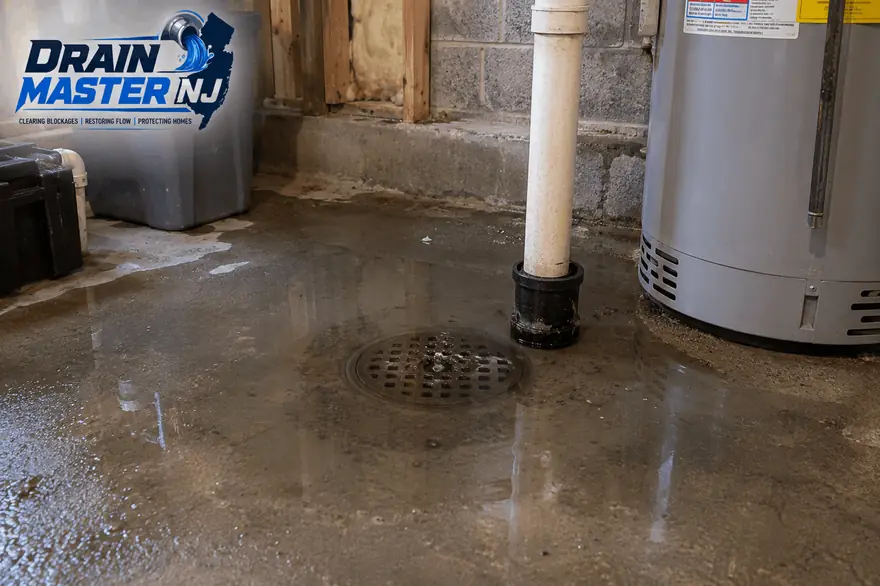
A French drain is elegantly simple: perforated pipe in a gravel-filled trench intercepts groundwater and carries it away by gravity. Its failure is just as simple: the same perforations that let water in let fine soil in. Year by year, silt infiltrates the gravel and pipe, roots find the moisture and colonize the perforations, and outlets get buried or crushed. A French drain doesn't break with a bang — it clogs by degrees, and owners usually discover it the morning a "solved" water problem returns: damp basement corner, soggy lawn stripe, water against the foundation again.
The right tool for a silted French drain is hydro jetting — pressurized water breaks up silt inside the perforated pipe and flushes it to the outlet, restoring the pipe's capacity without excavating the trench. We work from cleanouts, outlets or small access points, jet the full run, and camera-verify the result. Honest limits, stated upfront: jetting restores the pipe. If the surrounding gravel envelope has fully silted — the drain's actual filter — no cleaning reaches it, and we'll tell you when that's what the evidence shows rather than selling annual jettings of a dead system.
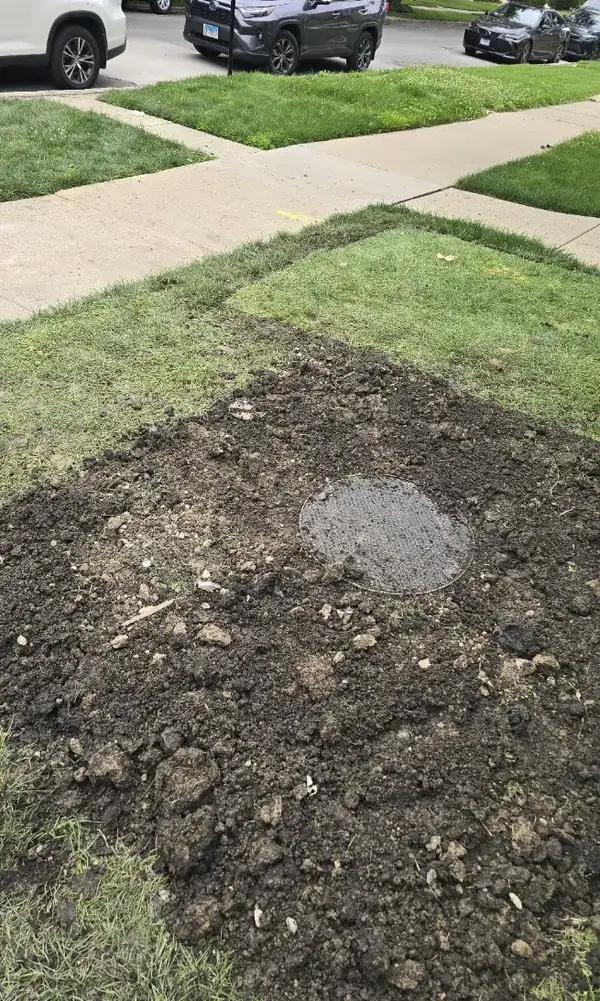
Camera findings drive targeted fixes: crushed sections replaced, separated fittings rejoined, buried or rodent-blocked outlets rebuilt with proper grates and animal guards, missing cleanouts added so the next cleaning is trivial, and root-bound runs cleared and protected. Where an older system was built without filter fabric — the usual reason it silted prematurely — we rebuild failing sections to modern spec: fabric-wrapped, properly graded, correctly bedded. Partial rebuilds along the failed stretch often rescue a system for a fraction of full replacement.
Interior perimeter drains — the sub-slab systems feeding a sump pit — fail the same way: iron ochre (that orange bacterial sludge common in North Jersey soils), silt and debris choke the loop, and the basement dampens while the sump sits quiet. We jet interior loops through the sump pit and access ports, clear iron-ochre buildup, and verify flow into the pit. If your "waterproofed" basement is damp again, test the drain before blaming the pump — it's the cheaper fix and the more common culprit. Related: standing water in basements.
A French drain is a filter, and filters need service. Our guidance for New Jersey's silty, rooty conditions: camera-check and jet exterior systems every 3–5 years (annually for iron-ochre-prone properties), keep outlets visible and guarded, and never let landscaping bury the cleanouts. On a maintenance plan this happens automatically — and a maintained French drain outlasts an unmaintained one by decades.
From Bergen County hillside seepage to shore-town high water tables, we service French drains across every NJ county — cleaning what can be cleaned, repairing what can be repaired, and saying so plainly when replacement is the honest answer. The camera footage is yours either way; decisions this expensive deserve evidence.
French drain economics reward acting early. Jetting a silted-but-intact system is flat-rate service work — modest, predictable, done in a visit. Rebuilding failed sections is construction — excavation, materials, restoration — at several times the cost. Full replacement of a dead system costs more again. The camera tells us which tier you're actually in, and our quote matches the evidence: we don't sell rebuilds to systems that jetting will save, and we don't sell annual jettings to systems whose gravel envelope is finished. Iron-ochre properties get honest interval pricing, since managing that condition is a schedule, not a one-time fix. Every path is quoted flat, footage included.
French drains fail differently across New Jersey because groundwater behaves differently: hillside seepage in Bergen and Passaic pushes water at foundations laterally, shore-county water tables rise from below seasonally, North Jersey's iron-rich soils breed the orange ochre that chokes perimeter systems, and dense central-county clays send sheets of runoff at trench lines. We've serviced French drains in all of it, which is why our diagnosis starts with why your system silted — not just that it did. Fix the cause with the cleaning, and the next service is years further out. That's the difference experience buys.
When cleaning and repair genuinely can't rescue a system — or a property has never had the drainage it needs — we build French drains new: exterior curtain drains intercepting hillside seepage before it reaches the foundation, footing-depth systems for chronic basement walls, interior perimeter systems with sump pits for finished basements, and landscape drains solving lawn ponding. Modern spec throughout — filter-fabric-wrapped pipe, washed stone, proper gradients, accessible cleanouts, guarded outlets — because we service enough failed 1990s installations to know exactly which omissions cause them. Every new system is designed from your property's actual water behavior, ideally observed during rain, and quoted flat with the design explained. Built right, it's a decades-long solution; built to spec-sheet minimums, it's a future service call. We only build the first kind.
French drain service runs statewide, matched to New Jersey's regional groundwater realities. Hillside North Jersey — Bergen, Passaic, Morris, Sussex, Warren — generates the lateral seepage that curtain drains exist to intercept, plus the iron-ochre soils that clog them. Central Jersey's Somerset, Hunterdon, Middlesex and Mercer bring clay-driven surface water and basement perimeter systems in equal measure. Shore and South Jersey counties — Monmouth, Ocean, Atlantic, Cape May, Camden, Burlington, Gloucester — sit on seasonal water tables that test every footing drain built there. Wherever your water comes from, we service the system managing it — all 21 counties. Popular service areas:
If the pipe is silted but intact, jetting restores it. If the gravel envelope around the pipe has fully silted or sections are crushed, cleaning can't fix that — and we'll show you camera evidence before recommending anything.
The water problem it was built to solve comes back: damp basement, soggy trench line, no outlet discharge during rain. A camera inspection confirms where and why.
Iron ochre — a bacterial iron deposit common in North Jersey soils that clogs perimeter drains aggressively. It's manageable with more frequent jetting, and we'll set the right interval for your property.
Every 3–5 years for typical exterior systems, annually where iron ochre or heavy silt is present. Maintained systems last decades longer than neglected ones.
Yes — sub-slab perimeter loops are jetted through the sump pit and access ports, restoring flow to the pit so the pump can do its job.
Yes, and it's one of the best upgrades available — accessible cleanouts turn every future cleaning from an excavation question into a quick service call.
Flat-rate pricing • 30–90 minute response • Pay only when your clog's gone
Pay only when your clog's gone. 30–90 minute response anywhere in New Jersey.
Thanks! Our team will update you within the hour. For emergencies call 973-355-0890 now.