Weekly plunging isn't normal. The five causes of chronic toilet clogs, how to identify yours, and what each fix costs.
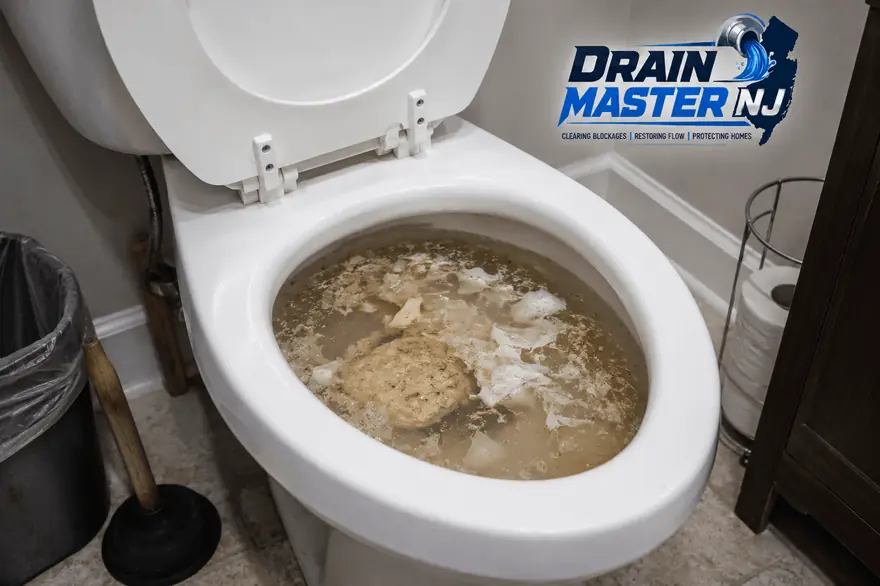
Any toilet clogs occasionally. A toilet that needs the plunger weekly has a persistent cause, and plunging is just resetting the countdown. The five candidates, roughly in order of frequency: a partial trapway obstruction, mineral-scaled rim jets weakening the flush, an early-generation 1.6-gallon design that never flushed well, excessive paper/wipes habits, and a downstream branch or main restriction the toilet merely reports first.
Bucket test: pour 2 gallons of water briskly into the bowl — a strong complete flush means the toilet's trapway is fine and the problem is habits or the tank's delivery; a weak one implicates the trapway or jets. Dye test the rim: drops of food coloring in the tank should stream briskly from every rim hole; lazy or dead jets mean scale. Multiple-fixture check: if tubs gurgle when the toilet flushes, stop testing the toilet — the line is the patient.
Trapway obstruction: professional auger or pull-and-clear — a routine flat-rate visit, permanent fix. Scaled jets: descaling the rim passages restores flush strength, often dramatically in hard-water towns of Morris, Sussex and Warren. Doomed early low-flow design: replacing with a modern MaP-rated toilet ends the relationship problem. Downstream restriction: branch or main cleaning, and the toilet was never guilty.
Even a healthy toilet loses to wipes, 'flushable' anything, and half-a-roll paper events. If the household includes enthusiastic paper users, a mid-flush courtesy flush costs pennies and prevents the majority of soft clogs. If it includes small children, a toilet lock costs less than one retrieval visit — we say this with professional certainty.
Skip the research — get a flat-rate answer for your exact drain in one call
Pay only when your clog's gone. 30–90 minute response anywhere in New Jersey.
Thanks! Our team will update you within the hour. For emergencies call 973-355-0890 now.